AI-Driven Dispatch: The Backbone of Modern Energy Grids
The modern energy grid is a complex, dynamic organism. Balancing supply from diverse sources—solar, wind, hydro, and thermal—with constantly fluctuating demand is a monumental task. This is where AI-driven dispatch systems step in, moving beyond simple automation to become the intelligent backbone of grid operations.
Unlike traditional systems that follow pre-programmed rules, AI dispatch utilizes machine learning algorithms to analyze vast datasets in real-time. These include weather forecasts, historical consumption patterns, real-time sensor data from transmission lines, and even market pricing signals. The system can then predict demand surges, anticipate renewable generation dips, and optimize the dispatch of energy resources with unprecedented precision.
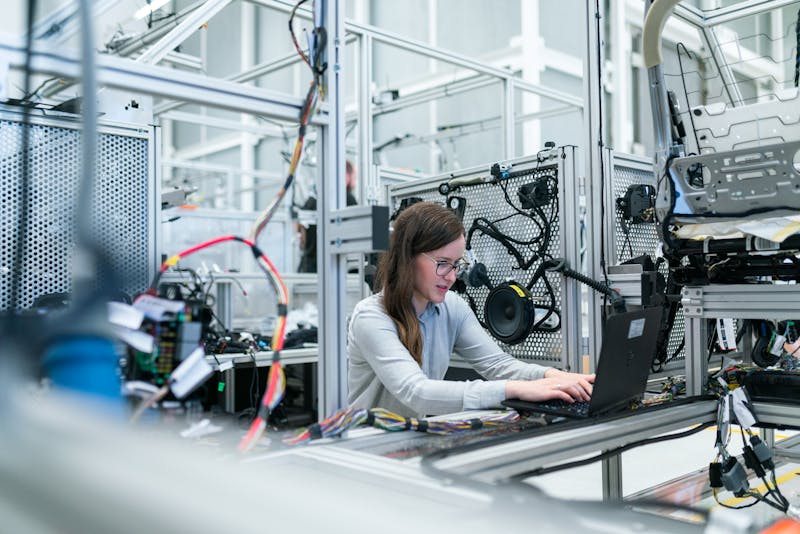
AI systems analyze data streams in modern grid control centers.
From Reactive to Proactive Grid Management
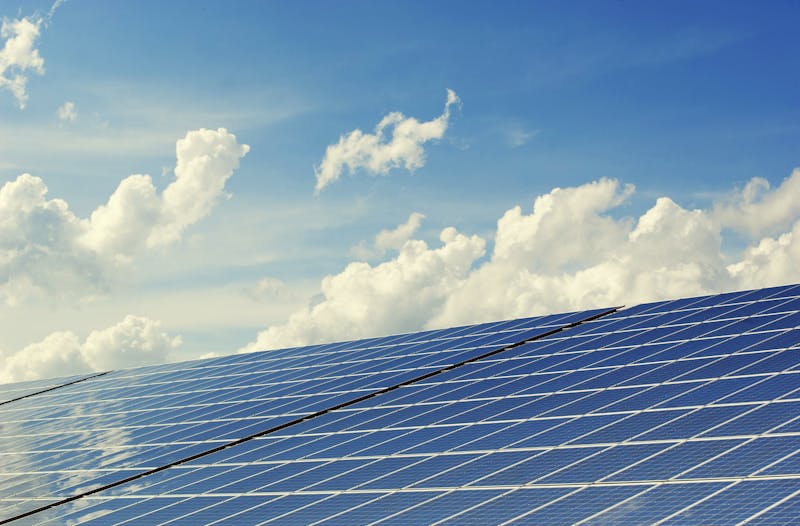
The core shift enabled by AI is from reactive to proactive management. For instance, by analyzing satellite and weather station data, an AI can forecast a cloud cover moving over a major solar farm in two hours. Simultaneously, it detects a scheduled increase in demand from a large industrial facility. The dispatch system doesn't wait for the solar output to fall; it proactively ramps up a nearby hydroelectric reservoir or prepares to draw from battery storage, ensuring a seamless transition with zero impact on grid stability.
This predictive capability is crucial for integrating higher percentages of variable renewables. It reduces reliance on "spinning reserve" from fossil-fuel plants, leading to significant reductions in carbon emissions and operational costs. The AI continuously learns and improves its models, becoming more accurate with each dispatch cycle.
Resilience Through Decentralized Intelligence
Advanced dispatch frameworks are evolving towards decentralized architectures. Instead of one central brain, intelligence is embedded at various nodes—substations, renewable plants, and large storage facilities. These nodes communicate peer-to-peer, using AI to negotiate energy exchanges locally. This creates a more resilient grid. If a transmission line fails, these local "micro-grids" can isolate and sustain themselves using local generation and storage, guided by their dispatch AI, until the main grid is restored.
For energy operators in Canada, where distances are vast and weather can be extreme, this localized intelligence is transformative. It ensures remote communities maintain power during storms and reduces the strain on long-distance transmission infrastructure.
The Human-AI Collaboration
The goal of AI dispatch is not to replace human grid operators but to augment them. The system presents optimized scenarios and potential risks on intuitive dashboards, allowing engineers to make informed, high-level decisions. It handles the millions of micro-calculations, freeing up human expertise for strategic oversight, maintenance planning, and handling truly novel edge-case events.
The future of energy operations lies in this symbiotic partnership. As AI dispatch systems grow more sophisticated, they will enable grids that are not only efficient and clean but also fundamentally more robust and adaptable to the challenges ahead.